

Shoulder Replacement
Anatomic and Reverse Shoulder Arthroplasty
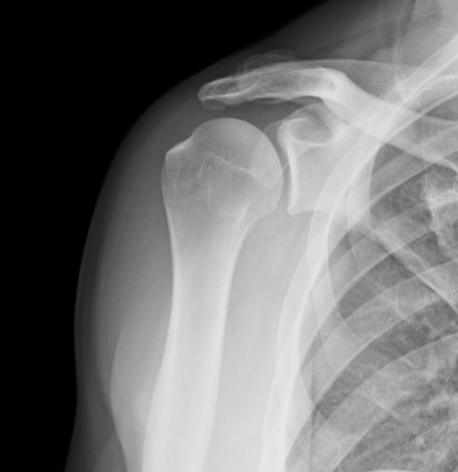
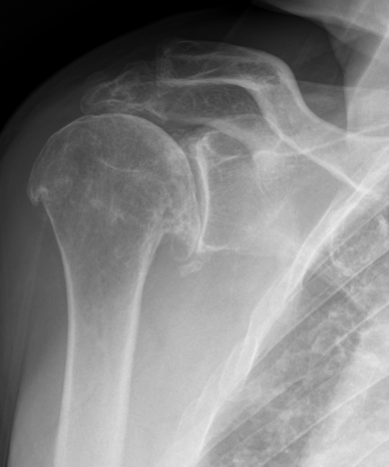
Normal Shoulder
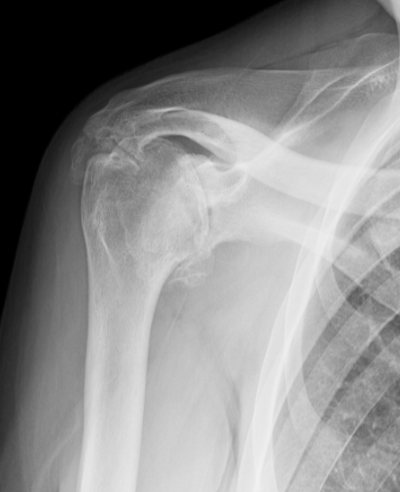
Rotator Cuff Arthropathy
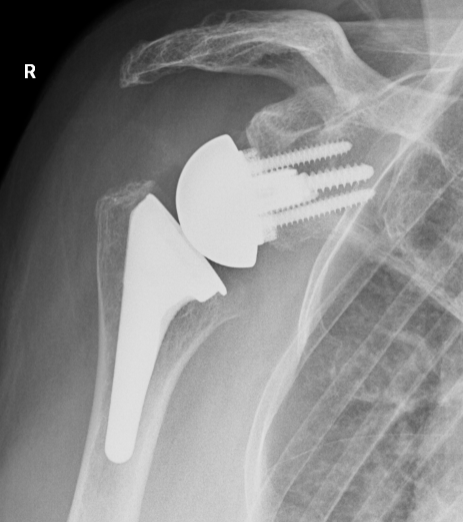
Arthritic Shoulder
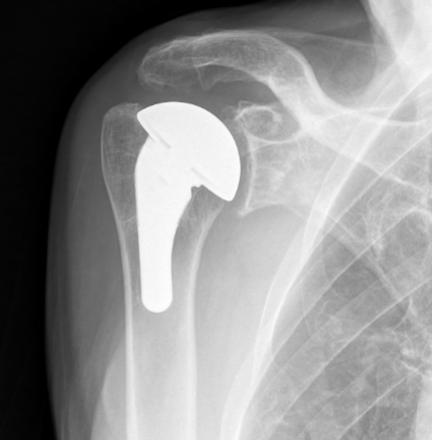
Reverse
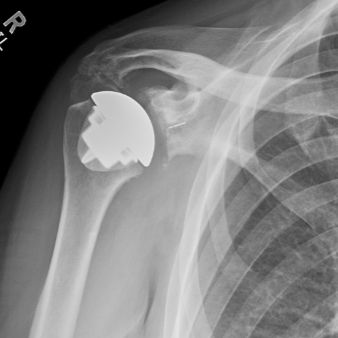
Anatomic
Anatomic Stemless
An anatomic shoulder replacement is designed to mimic the natural structure and function of the shoulder joint. In this procedure, the damaged parts of the shoulder joint—typically the ball (humeral head) and the socket (glenoid)—are replaced with smooth, artificial components. The goal of an anatomic shoulder replacement is to restore the normal anatomy and biomechanics of the shoulder, allowing for improved movement and strength. This procedure is typically recommended for patients who have a well-functioning rotator cuff but suffer from osteoarthritis.
On the other hand, a reverse shoulder replacement is used when the rotator cuff is damaged or nonfunctional. In this procedure, the normal anatomy of the shoulder is reversed. The ball is placed on the shoulder blade (glenoid), and the socket is placed on the upper arm bone (humerus). This reversal changes the mechanics of the shoulder, allowing the deltoid muscle to take over the function of the rotator cuff, helping stabilize the arm for overhead movement. Reverse shoulder replacement is typically recommended for patients with irreparable rotator cuff tears, where the rotator cuff cannot be successfully repair, or rotator cuff arthropathy, which is a type of arthritis that develops due to chronic rotator cuff dysfunction. Patients who have massive rotator cuff tears or rotator cuff arthropathy can no longer properly support the shoulder joint. It is also beneficial in cases of proximal humerus fractures or rhuematoid arthritis that have caused significant damage to the joint.