

Shoulder Arthroscopy
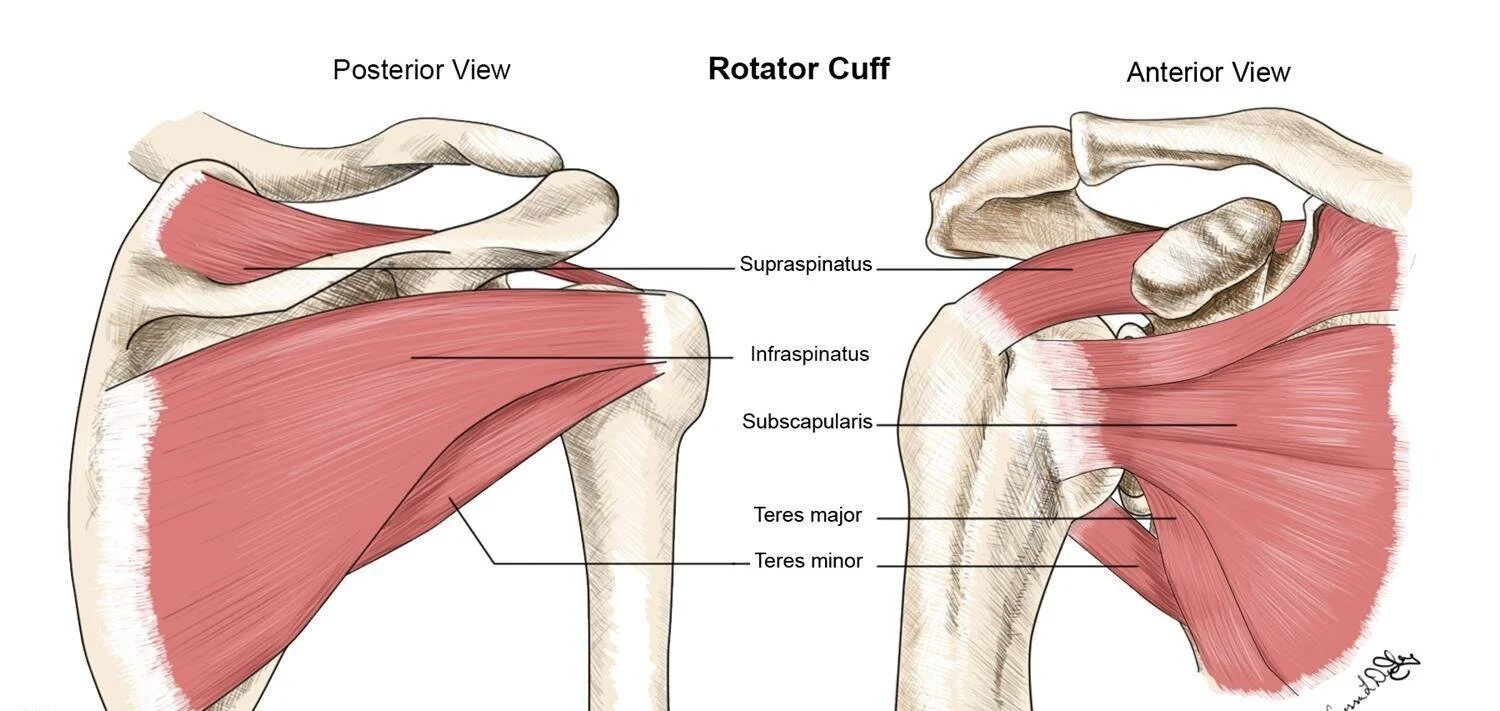
Normal Anatomy
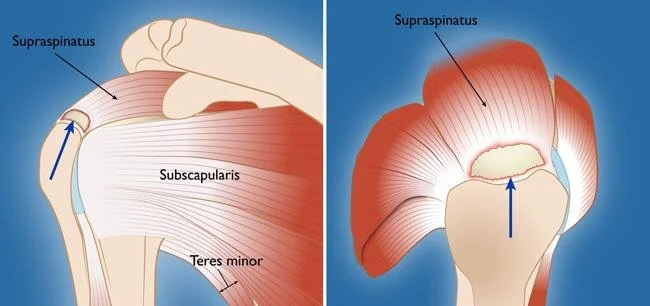
Rotator Cuff Tear

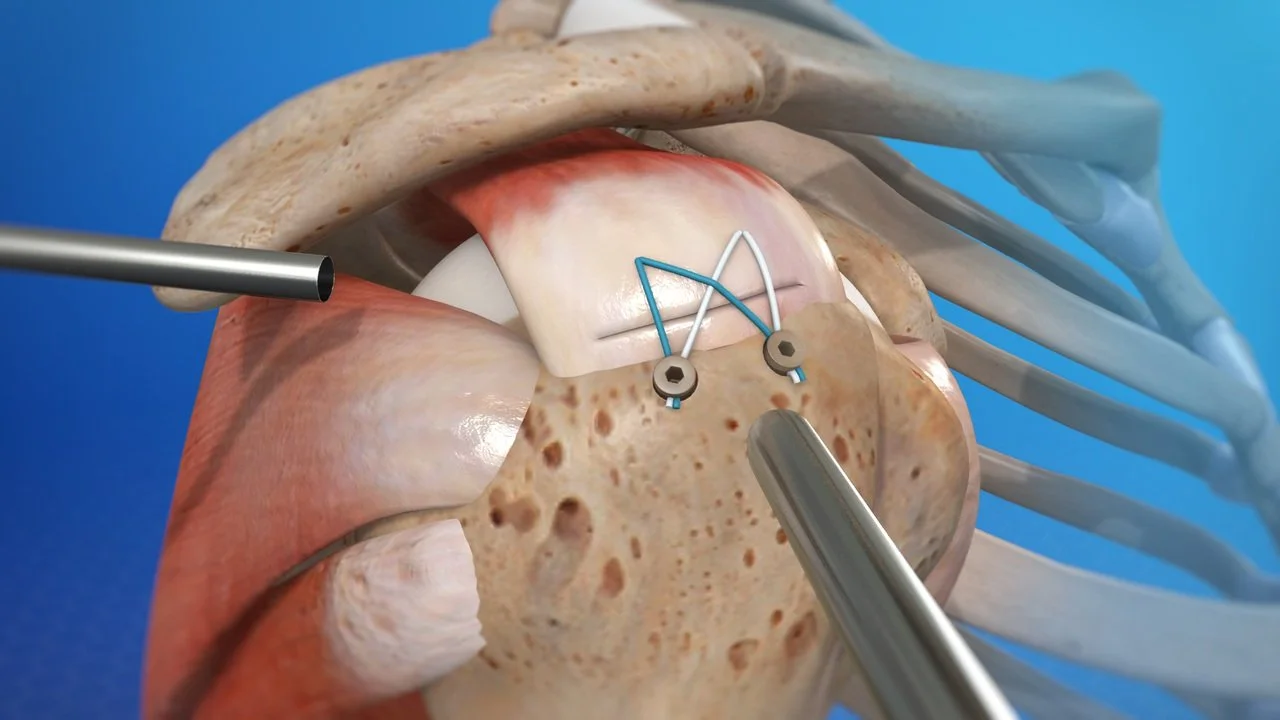
Rotator Cuff Repair
Proximal Biceps Tendon Repair (Tenodesis)
Subacromial Decompression
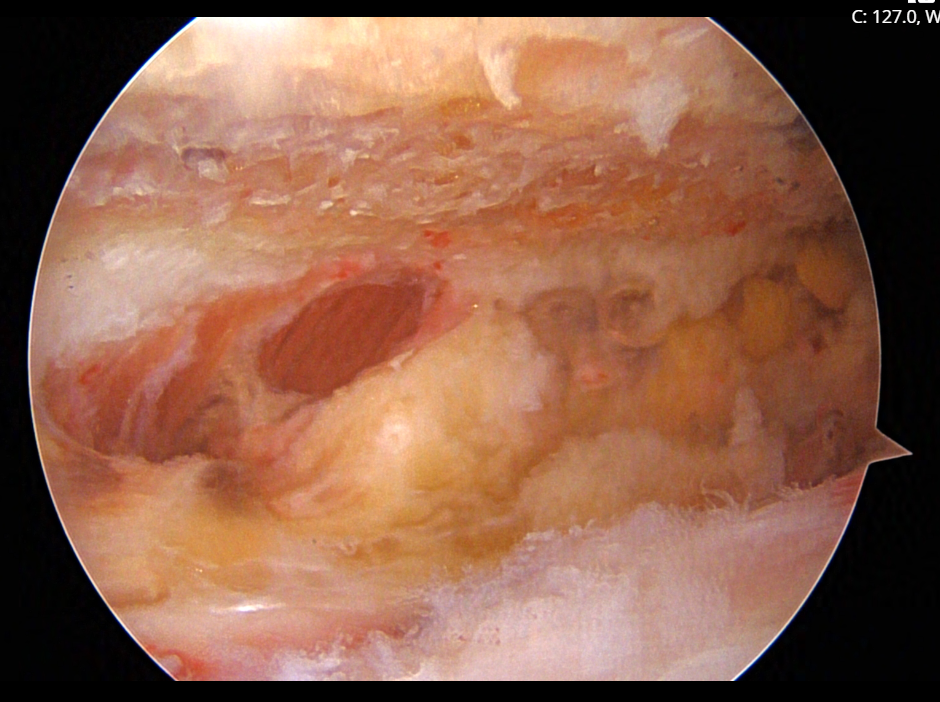
Shoulder arthroscopy is a minimally invasive surgical procedure used to diagnose and treat various shoulder conditions. It involves making small incisions, called portals, through which a tiny camera, or arthroscope, is inserted into the joint. This camera provides a high-definition view of the shoulder’s internal structures on a monitor, allowing for precise visualization of any pathology. The key advantage of arthroscopy is that it typically requires only a few small incisions, which leads to less trauma to the surrounding tissue, reduced pain, and a faster recovery compared to traditional open surgery. The size of the incisions and the use of specialized instruments make arthroscopy an ideal method for addressing many shoulder issues.
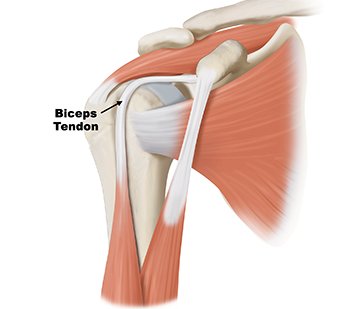
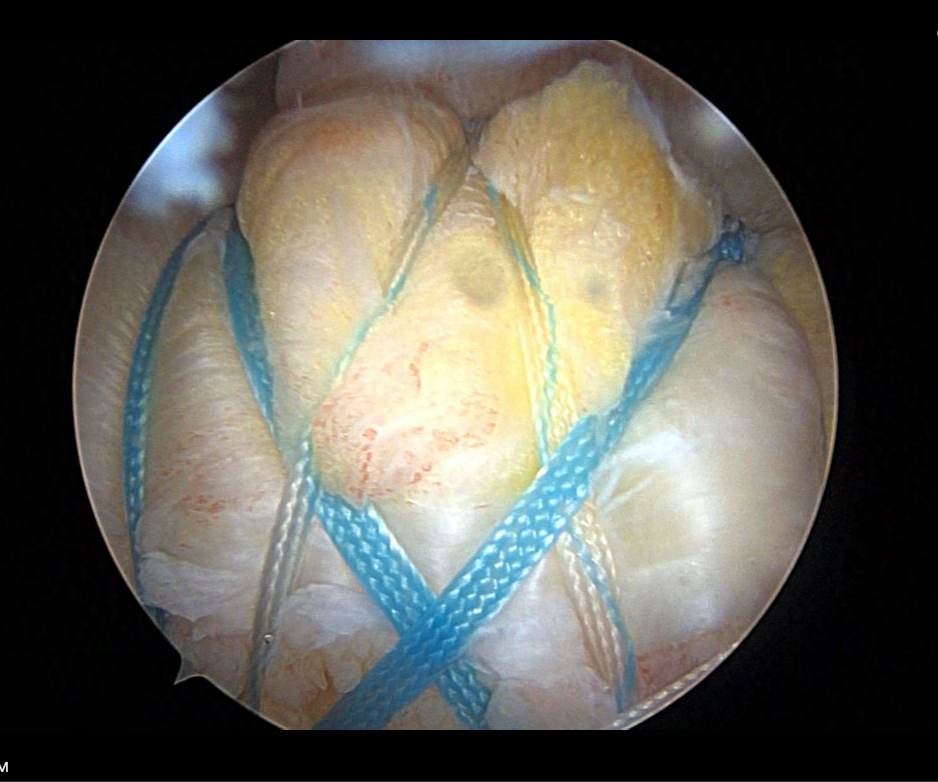
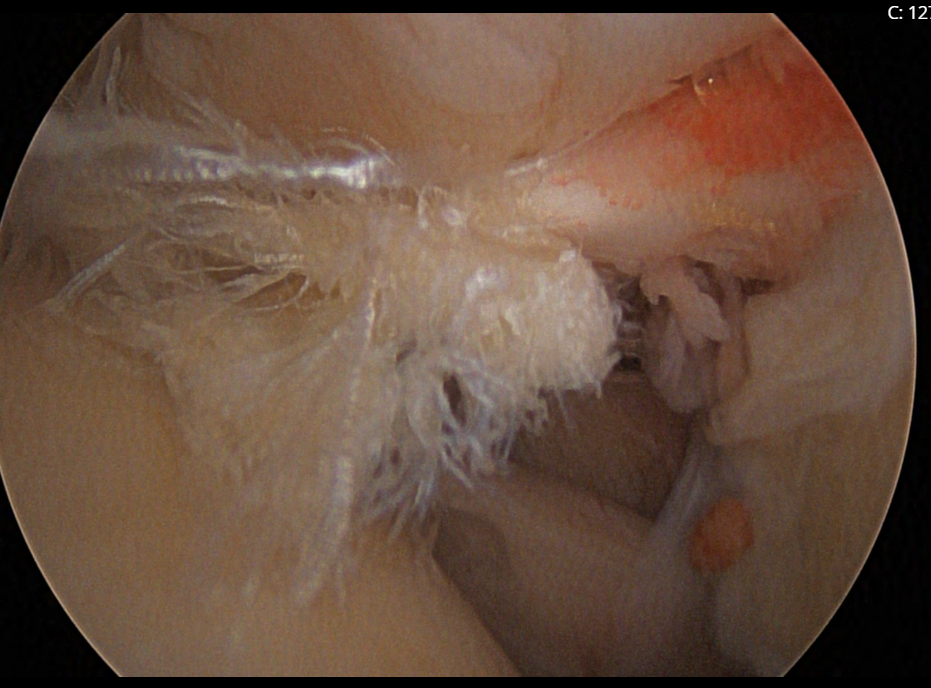
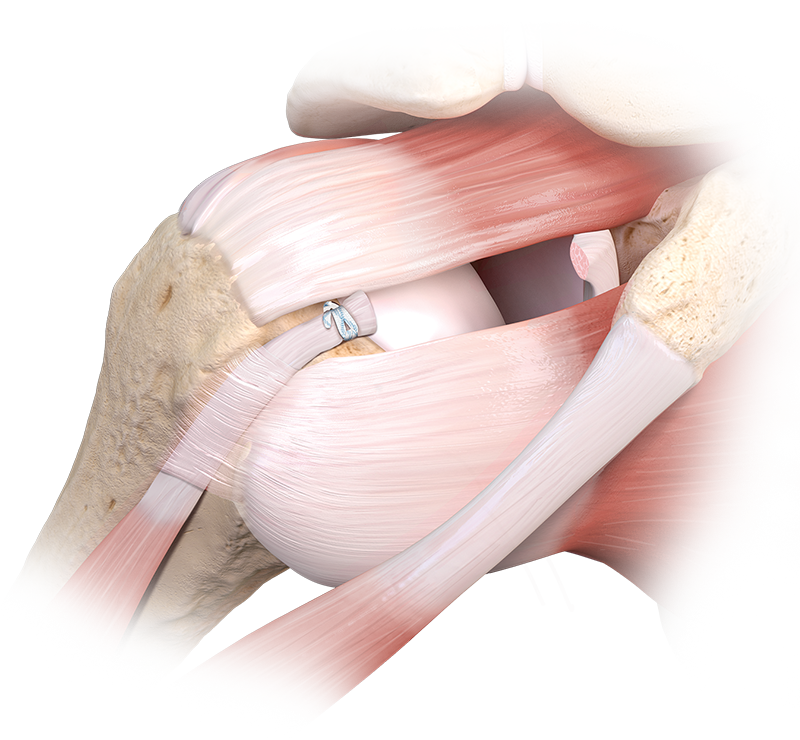
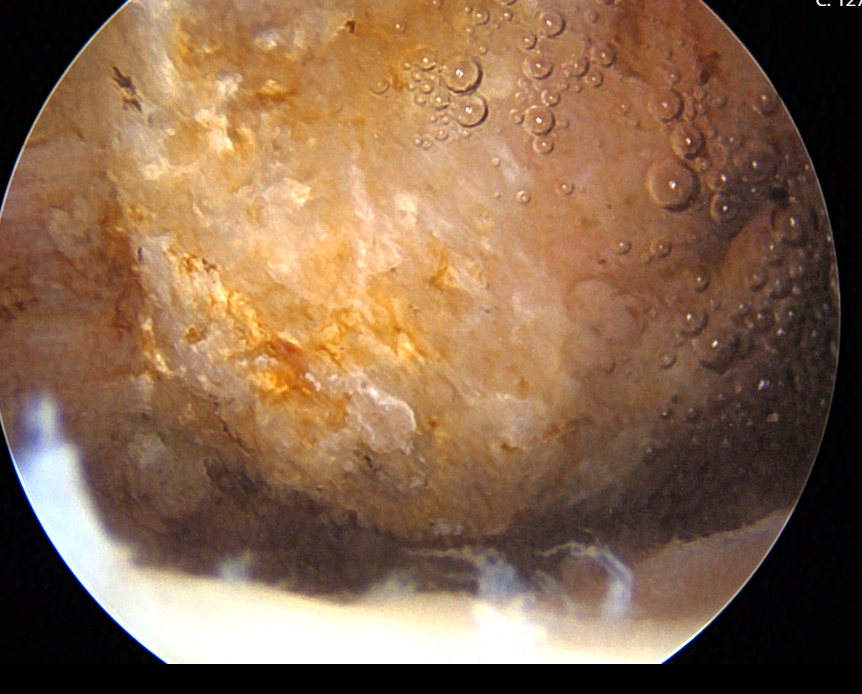
In a typical shoulder arthroscopy procedure, Dr. Cirino may perform several different types of repairs, depending on the diagnosis. Rotator cuff repair is one of the most common procedures performed arthroscopically. Dr. Cirino reattaches the torn tendon to the bone using suture anchors, which are small devices that hold the tendon in place during the healing process. Any bone spurs that may have caused or contributed to the tendon tear are debrided. The long head of the biceps tendon, located beneath the rotator cuff, is often repaired as part of the procedure.